 Ek Dum Desi – Your Desi Fitness Tips Buddy Find all desi tried and tested by millions fitness tips here.
Yaar, there’s something about the smell of bajra roti cooking on a chulha, isn’t there? That earthy, smoky scent that travels across the courtyard and makes your stomach rumble even before you see the food. That’s home for me. That’s Rajasthan. And honestly, it’s a smell I still chase, even after living in Jaipur for years, far from my village, Ramgarh.
I grew up in a small, close-knit family, where food wasn’t just fuel; it was a celebration, a story, a connection to our land and our ancestors. Every dish had a memory tied to it – a monsoon festival, a winter evening by the fire, a family wedding. Moving to the city, I saw the world change, but one thing stayed constant, like the sun rising over the Aravallis: my love for rajasthani food. It’s the taste of my childhood, the soul of my people, and the heart of Ek Dum Desi.
People often ask me, “What’s Rajasthani food like?” And my eyes just light up. It’s so much more than just spicy, you know? It’s a cuisine born from arid landscapes, from the ingenuity of people who learned to make magic with what little they had. It’s a symphony of flavours, textures, and aromas that tell the story of our deserts, our kings, and our hardworking farmers. Forget those bland diet plans; this is real food, made with real love, that truly nourishes the body and the soul.
Today, I’m taking you on a culinary journey, a real Ek Dum Desi adventure, through ten of the most famous dishes that define rajasthani cuisine. From the legendary trio that graces every celebration to the fiery curries and the soul-soothing sweets. Get ready, because your taste buds are in for a ride!
The Soul of Our Land on a Plate: Dal Baati Churma
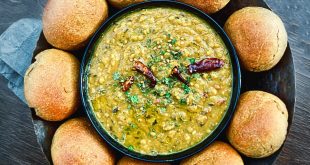
Okay, let’s get this out of the way first. You can’t talk about rajasthani food and not start with Dal Baati Churma. It’s not just a dish; it’s an emotion. It’s a ritual. I still remember my Nani, her hands dusted with atta, shaping those perfect, round baatis, slow-roasting them in the traditional clay oven until they were golden brown and crusty on the outside, soft and flaky within. The smell, oh god, the smell was intoxicating.
The baatis are these dense, wheat flour balls, traditionally baked over cow dung cakes or charcoal, which gives them a unique, earthy flavour that a modern oven can never quite replicate. They’re then generously drenched in pure ghee. And I mean *generously*. No skimping here! The dal, typically a mix of five different lentils (Panchmel Dal), is slow-cooked, tempered with spices, and has this rich, hearty flavour. It’s warm. It’s comforting.
Then there’s the churma. This is the sweet ending to the savoury symphony. Crushed baatis mixed with ghee, jaggery (or sugar), and sometimes cardamom or dry fruits. It’s sweet. It’s grainy. It’s the perfect counterpoint to the spicy dal and the rich baati. Growing up, a special occasion simply wasn’t complete without Dal Baati Churma. It’s the kind of meal that makes you feel utterly satisfied, like a warm hug from the inside. Many people think it’s just a simple village food, but look, it’s a masterpiece of balance and flavour, a dish that truly embodies the spirit of rajasthan dishes.
More Than Just Spicy: The Savoury Side of Rajasthan
Gatte ki Sabzi – Our Vegetarian Masterpiece
This is another one that confuses people who think Rajasthan only eats meat. Gatte ki Sabzi is a pure vegetarian delight and a staple in homes across the state. Gatte are gram flour (besan) dumplings, kneaded with spices, then boiled and cut into pieces, before being simmered in a tangy yogurt-based gravy. It’s got a lovely texture, those soft gatte soaking up all that flavour. When I first moved to Jaipur, I missed my Nani’s version so much, with its perfect balance of sour and spicy, that I badgered her for the recipe. Now, it’s one of my go-to comfort foods.
Ker Sangri – The Desert’s Bounty
If you want to taste the real Rajasthan, you have to try Ker Sangri. This dish is made from dried berries (ker) and beans (sangri) that grow in the arid desert climate. My grandfather used to tell me stories about how these humble ingredients sustained people during droughts. They are soaked overnight, then cooked with a mix of local spices and a hint of sourness from dried mango (amchur). It’s got a distinct, rustic flavour – slightly tart, slightly spicy, with a wonderful bite. Personally, I think it’s one of the most underrated rajasthan dishes, a true survivor’s meal that tastes like history.
Bajre ki Roti with Lehsun Chutney – Simple Perfection
Ah, bajra roti! Made from pearl millet flour, it’s hearty, rustic, and so unbelievably comforting, especially during the cold Rajasthani winters. We’d have it with a dollop of fresh white butter and a fiery Lehsun Chutney (garlic chutney). My mother would make the chutney fresh every morning, pounding garlic, red chillies, and cumin in a mortar and pestle. That simple combination? It’s better than any fancy restaurant bread and dip, hands down. The warmth of the roti, the kick of the chutney, the richness of the butter… it’s a symphony of simple, honest flavours that connects me straight back to my childhood evenings by the fireside.
Mirchi Bada – Jodhpur’s Fiery Snack
When you’re walking through the bustling markets of Jodhpur, the aroma of Mirchi Bada hits you first. It’s a huge green chilli, deseeded and stuffed with a spicy potato and onion mix, then dipped in a gram flour batter and deep-fried to a crispy, golden perfection. It’s spicy, yes, but not overwhelmingly so, because the stuffing balances it out. It’s a burst of flavour and texture in every bite. Best enjoyed with a cup of hot chai on a slightly chilly evening. It’s street food royalty, and trust me, once you try it, you’ll crave it.
Pyaaz Kachori – The Crunchy Delight
Another beloved street food, especially popular in Jaipur and Jodhpur. Pyaaz Kachori is a crispy, flaky pastry filled with a spicy mixture of onions, potatoes, and various aromatic spices. It’s deep-fried until it’s puffed up and golden brown. The crunch when you bite into it is just amazing, followed by the soft, flavourful filling. It’s a perfect breakfast item, a mid-day snack, or even an evening treat with a dash of sweet and sour tamarind chutney. It’s a testament to how creative we are with simple ingredients. A truly iconic rajasthani food item that you just can’t skip.
A Fiery Delight You Can’t Miss: Laal Maas
And now, for the dish that often takes centre stage when people talk about Rajasthani non-vegetarian food: Laal Maas. The name itself means “red meat,” and boy, does it live up to it! This isn’t for the faint of heart, but if you love bold flavours and serious spice, this is your holy grail. Growing up in a vegetarian household in the village, Laal Maas was something of a legend, whispered about by those who’d tasted it at city weddings or during special trips. It was a dish of royalty and warriors.
The key to Laal Maas is the abundant use of Mathania chillies, a local variety from Jodhpur, which gives it its characteristic fiery red colour and intense heat, without just burning your tongue. The mutton is slow-cooked in a rich gravy made with yogurt, garlic, and a whole host of spices, until it’s fall-off-the-bone tender. The thing is, it’s not just heat; there’s a depth of flavour, an earthy, smoky quality that comes from the slow cooking process. Every spoonful is an explosion of robust, complex tastes. It’s a dish that demands respect, and it delivers an unforgettable experience. Most people outside the state have no idea this even exists, or if they do, they often underestimate its flavour profile. It’s truly one of the crowning glories of rajasthan dishes, a real culinary adventure.
Sweet Endings, Just Like Home
No meal, especially a Rajasthani one, is complete without something sweet. Our sweets are as diverse and colourful as our turbans, and just as deeply rooted in tradition.
Mohan Thaal – The Royal Fudge
This is a regal sweet, traditionally prepared during festivals like Diwali and for special occasions. Mohan Thaal is a fudge-like dessert made from gram flour (besan), ghee, sugar, and dry fruits. It’s cooked patiently until it achieves a perfect granular texture and a golden-brown hue. My Bua ji would spend hours stirring it over a low flame, and the aroma filling the house was just heavenly. It’s rich, melt-in-your-mouth delicious, and subtly spiced with cardamom. A true labour of love that reflects the grandeur of Rajasthani hospitality.
Ghewar – The Monsoon Special
Monsoon in Rajasthan, even in the city, means one thing: Ghewar. This disc-shaped, honeycomb-like sweet is a delicate marvel, typically made during the Teej and Raksha Bandhan festivals. It’s crafted from flour batter, deep-fried until crisp, then soaked in sugar syrup. Sometimes it’s topped with rabri (sweetened condensed milk), nuts, or silver leaf. It’s light, crispy, and incredibly sweet, a perfect indulgence to celebrate the arrival of the rains in our desert state. Every sweet shop in Jaipur overflows with it during August, and the smell of ghee and sugar syrup is everywhere. It’s a seasonal treat that I eagerly await every year.
Malpua – Sweet Fritters, Rajasthani Style
Malpua might be found in other parts of India, but our Rajasthani version has its own charm. These are deep-fried pancakes made from flour, milk, and fennel seeds, then soaked in sugar syrup. They’re soft, spongy, and infused with the subtle flavour of fennel. We often serve them with a dollop of rabri or kheer, making it an even more decadent dessert. During Holi, my mother used to make a huge batch for the whole family, and the sticky, sweet deliciousness was just what you needed after a day of playing with colours. It’s a simple sweet, but one that holds so many fond memories.
Why Our Food Tells a Story
You see? Rajasthani cuisine isn’t just about survival in the desert; it’s about thriving, creating beauty, and building community. Every one of these rajasthan dishes, from the humble bajra roti to the grand Laal Maas, carries a piece of our history, our geography, and our spirit.
It’s the wisdom of our ancestors, who knew how to preserve food in a harsh climate, how to draw out incredible flavours from simple ingredients, and how to turn a meal into a cherished memory. It’s hearty, it’s flavourful, and it’s always made with an abundance of love and respect for our traditions. So next time you’re thinking about food, think about the stories it tells. Which of these Rajasthani delights are you going to try first?