 Ek Dum Desi – Your Desi Fitness Tips Buddy Find all desi tried and tested by millions fitness tips here.
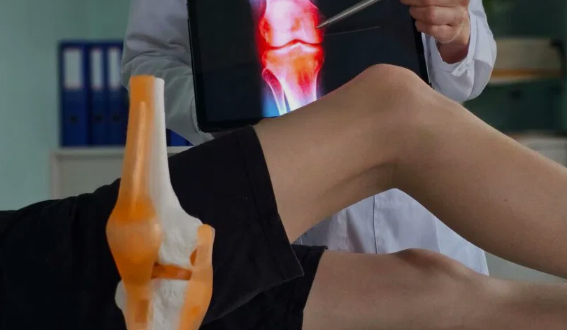
It can be difficult to do day-to-day tasks when you experience joint pain. Arthritis, injuries, or natural aging can affect the joints and cause pain during activities like walking, climbing stairs, sitting, and even sleeping. The good news is that modern medicine can help. Robotic surgery is the best option if you are looking for joint replacement surgery in Goa.
Goa has orthopedic centers that are using cutting-edge robotic systems to perform joint replacement surgeries with the best results in the world. With the least amount of discomfort, and the most amount of precision, this method is reshaping the way we do replacements of the knee, hip, and shoulder joints.
What Do We Mean by Joint Replacement Surgery?
In joint replacement surgery, surgeons remove the damaged structures from the affected joint and replace them with artificial implants made of metal, ceramic, or high-quality plastic. These implants mimic the natural movement of the joint and reduce pain caused by bone-on-bone friction.
The most common joints in the body that are replaced include:
Knee joints
Hip joints
Shoulder joints
The elbow joint is less common.
The causes of the condition are varied and can include osteoarthritis, rheumatoid arthritis, trauma, or severe degeneration of the joint.
Why Opt for Joint Replacement Surgery in Goa?
For its modern healthcare facilities, skilled orthopedic surgeons, and an atmosphere that is friendly to patients, Goa is becoming a popular location for advanced orthopedic surgery.
Advantages include:
✔ Cutting Edge Robotic Technology
Robotic systems provide assistance to surgeons for precise bone cuts and implan slip positioning.
✔ Orthopedic Specialists
Surgeons trained internationally and diversely are specialists and provide excellent results.
✔ Early Recovery Programs
Rehabilitation protocols are structured in a way the patient can resume for mal activities in a shorter time period.
✔ Therapeutic Healing Setting
The surroundings in Goa are conducive to the healing of the patient both emotionally and physically.
✔ Affordable Care
The cost of treatment is lower than in metro cities and abroad.
What is Robotic Joint Replacement Surgery?
A robot does not complete the procedure of joint replacement. It is still the surgeon’s responsibility to make decisions and steer the robot.
How It Works
Pre-surgery 3D Planning
Before the procedure and based on the patient’s specific anatomy, a plan is created using detailed imaging.
Guidance During Surgery in Real time
The robotic arm supports the surgeon in making precise cuts in the bones.
Implant Positioning:
Poor alignment is the reason for the less functional use of the joint and the shorter life of the implant.
Surrounding Tissue
Surrounding tissues that are less damaged means less pain and weaker healing.
When Might Joint Replacement Be Necessary?
Signs that surgery may be needed include:
joint pain that persists despite the use of medication
major loss of movement or stiffness
difficulty in walking or carrying out normal daily activities
target joint shows physical deformity
joint pain diappt\ruis sleep
failed relief via physiotherapy or joint pain injections
Types of Joint Replacement Surgeries Available
Knee Replacement Surgery
The most common condition warranting surgery for severe arthritis is the knee joint. Surgery can be total (where the whole joint is removed) or partial (residual knee structures are left and not removed).
Hip Replacement Surgery
Doctors often choose this surgery for patients whose hip joints have become nonfunctional due to arthritis, hip fractures, or avascular necrosis in the hip joint.
Shoulder Replacement Surgery
This surgery may be necessary for patients who have suffered severe arthritis of the shoulder joint or who have sustained complicated fractures involving their shoulder that may include the shoulder joint.
Robotic knee and hip joint surgeries are to be considered. This is because knee and hip replacements are some of the complex joint surgeries where alignment of the bone components is critical to achieving optimal functional outcomes.
What are the benefits of having joint replacement surgery performed with the assistance of a robot?
Robotic-assisted joint replacement surgery performed in Goa offers patients the following benefits:
✓ Enhanced accuracy of surgery
✓ Improved post-operative joint function due to better positioning of the implant
✓ Early mobilization after surgery
✓ Most patients can begin walking within 24 to 48 hours
✓ Shorter hospital stay
✓ Improved alignment and positioning; lower risk of revision surgery due to loosening or malalignment of the implant
✓ Improved longevity of the artificial joint due to better alignment and position of the implant
Surgical Journey
Surgical Preparation
Assessments have to be completed by your doctor prior to surgery to ensure good health. These include:
– Obtaining and reviewing your medical history (this may include a history and physical exam and medical record review)
– Imaging (this can include X-rays, MRIs, or CT scans)
– Prescribing and reviewing any medications
– Pre-surgical rehabilitation (this can include exercises, physical/occupational therapy, or rehabilitation instruction)
Surgical perioperative nursing and anesthesia staff:
Doctors will perform the surgery while you are either awake or asleep (under spinal or general anesthesia), and they will discuss this with you beforehand.
– Robotic arms will be used to assist the surgeon
– Most surgeries take between 1 and 2 hours
Surgical Aftercare
– In the hospital you will be helped to sit, stand, and walk by the physical therapist to begin to recover and move
– Once you leave the hospital, a nurse and/or physio may assist you with pain and or leg swelling
– You will be helped to slowly resume your daily activities and lifestyle
– Most patients take between 6 and 12 weeks to recover fully from joint replacement surgery
Are You a Good Candidate?
Surgical candidates for joint replacement may include:
– Older adults (typically greater than 50 years) with significant joint pain and mobility issues due to severe arthritis
– Patients with arthritis related joint immobility and significant joint damage
– Patients with arthritis and intolerable joint pain, even after conservative treatment like medication, injections, and/or physical therapy.
Joint replacement surgery is not a first-line treatment or intervention.
Recovery Process
Joint replacement surgery has proven easier with the aid of rehabilitation.
Helpful tips to aid in your recovery include:
– Following the exercises and activities prescribed/outlined in your physiotherapy to maximize your walk your recovery
– Staying as close as possible to your optimal weight
– Avoiding high impact activities to maximize your recovery
– Attending follow-up appointments as regularly as possible, as recovery is a process.
– Most patients begin to return to normal functions like walking, working (light duty), and even driving after several weeks.
The Benefits of Robotic Joint Replacement Surgery
Although conventional joint replacement surgery can still deliver successful outcomes, robotic-assisted joint replacement surgery provides more optimal results.Using robotic arms allows your healthcare providers to achieve a high level of precision and accuracy while making adjustments as per your personal anatomical dimensions in order to surface or replace the joint.Patients who have undergone robotic joint replacement report:
Improved natural movement of joints
Greater overall satisfaction
Quicker ability to resume an active lifestyle
Improved overall well-being
Frequently Asked Questions
Q1. Is joint replacement surgery safe?
Yes. Doctors regard it as one of the safest orthopedic procedures, especially when well-qualified surgeons perform it using robotic technology.
Q2. Joint implants have a lifespan of?
Current implants have a life expectancy of 15-25 years. This can potentially be longer or shorter depending on the patient’s lifestyle, weight, and activity level.
Q3. What is the extent of the pain from the surgery?
Surgery pain is well managed by today’s medications and anesthetics. Compared to traditional methods, robotic surgery usually results in less pain after surgery.
Q4. How soon after surgery can I walk?
Many patients walk with assistance from another person 1-2 days after knee or hip replacement.
Q5. Is traditional surgery better than robotic surgery?
Many patients prefer robotic surgery due to its precise techniques, better anatomical alignment, and minimal recovery time.
Q6. How long is the physiotherapy procedure?
Patients will usually complete 4-8 weeks of physiotherapy, and improvements can last for several months after.
Q7. Do doctors reserve joint replacement surgery only for older patients?
No. Doctors usually perform this surgery for older patients, but younger patients with significant joint damage can also benefit from it.
Q8. Are there risks involved?
Yes, as with most surgeries, there are risks that can include infection and blood clots as well as issues with the prosthetic implant. However, at most centers, such instances are rare.
Q9. When can I resume normal activities?
Patients can start light activities after a few weeks and resume full activities within 2 to 3 months, depending on the replaced joint..
Q10. Why consider robotic joint replacement in Goa?
Skilled and experienced surgeons in Goa perform the procedure at a significantly lower cost, use advanced robotic surgery technology, and provide a peaceful environment for recovery.
Final Thoughts
Chronic joint pain is something that can be managed with the latest technology in robotic-assisted joint surgery at Sports Surgery In Goa, which will give you increased mobility and independence.
In India, advanced robotic surgery offers a greater level of accuracy, which will lead to a quicker recovery and improved quality of life. If joint pain is impacting your quality of life, then the first step to a better future free from pain is a consultation with an orthopedic surgeon.
If you are searching best orthopedic doctor in mumbai then click here