 Ek Dum Desi – Your Desi Fitness Tips Buddy Find all desi tried and tested by millions fitness tips here.
Kya haal hai, dosto? It’s your bhai, writing to you from my little corner of the world, thinking about home. Not just my apartment here in the city, but my *real* home, the one steeped in the sandy winds and the timeless stories of Rajasthan.
I grew up in a small village near Pali. Dust on my chappals, the smell of cow dung and bajra roti cooking on a chulha, the sound of women singing folk songs as they worked in the fields – that was my everyday. Now, as I sit in front of a laptop, miles away, I find myself thinking more and more about those days. About how much of that life, those ways of being, are still alive, still breathing, still beating strong.
People often think Rajasthan is just palaces and deserts. And sure, we have those. But here’s the thing: the real magic of our land isn’t in the stones, it’s in the people. It’s in the way we live, the things we celebrate, the customs we hold dear. These rajasthan traditions, they’ve been around for centuries. And honestly, they’re not just surviving; they’re thriving in their own beautiful way.
When Food Isn’t Just Fuel, It’s History on a Plate
Let’s start with food, because let’s be real, for us, everything starts and ends with food. It’s not just a meal; it’s a ritual. A story. A blessing.
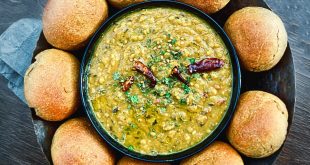
I still remember my Nani making dal baati churma every Sunday. Not just for us, mind you, but for any guest who happened to walk in, for the neighbours, for the stray dog that knew the smell. The baatis would be baked slowly in a traditional tandoor, turning golden, smelling of earthy wheat and smoky warmth. And the churma? Ground wheat, loads of ghee, jaggery, and crushed dry fruits. Pure magic.
Most people outside the state have no idea how much effort goes into making an authentic Rajasthani thali. It’s not just about the ingredients; it’s about the process. The patience. The love. Take ker sangri, for example. Those wild berries and beans from the desert, hand-picked, then dried, then soaked, then cooked with a blend of spices. That smokiness from the clay chulha gets into the dal, and that’s something a gas stove can never replicate. Personally, I think bajra roti with ghee is better than any restaurant bread, hands down. It has a soul.
This isn’t just about what we eat, but how. The hospitality, the insistence that you eat ‘ek aur niwala’ (just one more bite), the joy of sharing a meal with twenty members of your extended family – that’s deeply ingrained in our rajasthani customs. It speaks volumes about the warmth of our marwari culture, where a guest is considered god.
Festivals That Paint the Desert with Joy
You want to see Rajasthan come alive? Come during a festival. It’s an explosion of colour, sound, and devotion. Growing up in Roopnagar, we never missed Gangaur. Never.
Gangaur is dedicated to Goddess Parvati, the goddess of marital bliss. Women, married and unmarried, fast and pray for the well-being of their husbands and for finding a good partner. The idols of Isar (Lord Shiva) and Gauri (Parvati) are beautifully dressed, adorned with jewellery. Then come the processions.
Oh, the processions! The entire village would gather. Women carrying ghumar-diwas (earthen lamps) on their heads, singing traditional folk songs, their lehengas twirling, mirror work catching the sunlight. Men in their saffron turbans, carrying traditional instruments. The air would be filled with the sound of dholaks and the smell of incense. It’s not just a festival; it’s a living museum of rajasthan heritage.
And Teej! The monsoon festival. It’s when you see women swinging on decorated jhoolas (swings), singing songs of love and rain. The mehndi designs on their hands are intricate, elaborate, each one a miniature artwork. I remember helping my cousins apply mehndi, trying to get the perfect peacock or kalash design. It’s pure, unadulterated happiness.
These festivals aren’t just dates on a calendar. They are threads that weave our communities together, reminding us of our roots, our shared history, and our collective identity. They are a powerful expression of our rajasthan traditions.
Weddings: More Than Just a Ceremony, It’s a Saga
If you’ve ever been to a Rajasthani wedding, especially a Rajput one, you know it’s not just an event. It’s a grand spectacle. A multi-day affair. A declaration of family, lineage, and love.
The first wedding I ever attended in the city, I was struck by how… quick it all seemed. In my village, a wedding was a week-long celebration, minimum. Every ceremony had its own significance, its own song, its own flavour.
Take the Rajput weddings, for instance. They are steeped in rajput traditions, with every ritual designed to honour heritage and bless the couple. From the Ganpati Sthapana to the Pithi Dastoor (where the bride and groom are smeared with turmeric paste by family members), to the grand Baraat with horses or elephants. The sword dances, the traditional attire – the groom in his achkan and turban, carrying a sword; the bride in her elaborate poshak, often passed down through generations. These aren’t just outfits; they’re symbols of pride and belonging.
And the music! Live folk musicians, Manganiyars or Langas, playing soulful tunes that tell stories of valour and romance. The women singing traditional wedding songs, known as Banas and Banis. The feeling of community, where neighbours are as involved as close relatives, is something you won’t easily find elsewhere.
The Thing Is, these weddings are incredibly expensive and demand a lot of effort, but no one ever complains. Why? Because it’s about respect, honour, and ensuring the new generation carries forward the legacy. It’s a massive affirmation of our rajasthani customs.
Beyond the Big Events: Everyday Gestures and Lifelong Lessons
It’s not just the big festivals or weddings where our traditions shine. It’s in the smaller, everyday things too. Like the way we greet elders with a ‘Ram Ram Sa’ and a respectful bow. Or the way women cover their heads with a ghunghat, a practice that, while debated, still signifies respect in many rural areas.
The joint family system, though slowly changing, is still a strong pillar in many Rajasthani homes. Living under one roof, sharing responsibilities, learning from grandparents – that’s how I grew up. My Nani’s stories weren’t just bedtime tales; they were lessons in morality, history, and resilience. That’s how knowledge, values, and our rajasthan heritage are passed down.
Then there’s the vibrant art. The block printing of Sanganer and Bagru, the miniature paintings of Kishangarh, the intricate tie-and-dye work of Bandhani and Leheriya. These are not just crafts; they are expressions of our identity, stories woven into fabric, colours that mirror our spirit.
Look — as someone who’s seen both village life and city life, I can tell you there’s a conscious effort to keep these traditions alive. Young people might be moving to cities for jobs, but they often bring a piece of Rajasthan with them. They celebrate Diwali with traditional lamps, they try to cook their Nani’s recipes, and they introduce their city friends to the magic of our folk music.
It’s a balancing act, isn’t it? Modernity pulls us in one direction, while our roots anchor us to another. But I genuinely believe that by understanding and celebrating our past, we can build a stronger future. These rajasthan traditions aren’t chains; they are wings.
So, the next time you think of Rajasthan, don’t just picture a desert. Picture a colourful skirt twirling in a folk dance, the smoky aroma of a hearth, the booming sound of a dhol, and a thousand stories being whispered through generations. That’s the real Rajasthan. And that, my friends, is a treasure worth holding onto. What traditions from your own background do you find yourself missing the most, now that you’re grown up?