 Ek Dum Desi – Your Desi Fitness Tips Buddy Find all desi tried and tested by millions fitness tips here.
Ancient Traditions of Haryana That Still Live On Today
Ever felt the grounding embrace of the earth beneath your feet, heard stories whispered by ancient winds, or tasted food that speaks of generations of love? That’s the magic of Haryana, my friend. This robust state, often celebrated for its brave hearts and fertile fields, is a treasure trove of ancient traditions of Haryana that continue to thrive, pulsating with life even in our fast-paced modern world. If you thought Haryanvi culture was all about wrestling and farming, hold on to your pagri, because we’re about to embark on a journey that will show you the rich, nuanced tapestry of its living heritage. From communal chaupals to vibrant folk dances and kitchens brimming with wholesome goodness, the haryana traditions are a testament to a resilient spirit and deep-rooted community values.
A Walk Through Time: Haryana’s Enduring Legacy
To truly appreciate the traditions of Haryana, we must first cast our minds back through the mists of time. This land, part of the legendary Kuru kingdom, has been a cradle of civilization since the Indus Valley era, with archaeological sites like Rakhigarhi painting vivid pictures of advanced settlements. It was here, on the banks of the mythical Saraswati River, that the Vedic hymns are believed to have been composed, laying the philosophical foundations of a vast culture. Later, Haryana witnessed the epic battle of Mahabharata at Kurukshetra, becoming hallowed ground where dharma was tested. Over centuries, various empires – from the Mauryas and Guptas to the Mughals and Marathas – left their imprints, yet the core essence of the Haryanvi way of life remained remarkably steadfast. This resilience, born from its agrarian roots and a strong sense of community, is why many of its ancient customs have not just survived, but flourished, weaving themselves seamlessly into the fabric of contemporary life.
The Heartbeat of Haryana: Traditions That Endure
Let’s dive into some specific examples of Haryanvi culture that brilliantly showcase the enduring spirit of this land.
The Chaupal Culture: The Village Parliament
Picture this: a large, open space, often under the shade of a venerable banyan or peepal tree, where men (and sometimes women) of all ages gather. This is the Chaupal – the nerve center of any Haryanvi village. For centuries, the Chaupal has served as an informal parliament, a community court, a social club, and a storytelling hub. Here, elders resolve disputes, youngsters learn about their lineage and values, political discussions heat up, and local gossip (the innocent kind, of course!) makes its rounds. It’s where decisions affecting the village are made, where songs are sung, and where visitors are welcomed with open arms and a cup of steaming chai or a glass of fresh chhach.
- Cultural Significance: The Chaupal embodies the very essence of community living, democratic discourse, and collective responsibility. It reinforces social bonds, maintains order, and passes down oral traditions from one generation to the next.
- Modern Relevance: Even with the advent of social media and television, the Chaupal remains remarkably active in many rural Haryana customs. It’s a place where real-world connections trump virtual ones, where face-to-face interaction still holds immense value, and where local issues find local solutions. Next time you’re in a Haryanvi village, seek out the Chaupal – it’s a living museum of local democracy.
The Wholesome Plate: Haryanvi Cuisine
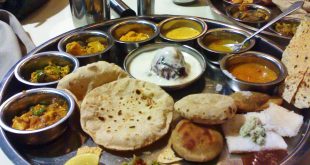
Food is soul, isn’t it? And in Haryana, the food is hearty, wholesome, and deeply connected to the land. Focused on fresh produce, dairy, and grains like bajra (pearl millet), jowar (sorghum), and wheat, traditional Haryanvi food is all about nourishment and strength.
- Bajra ki Roti with Saag: The quintessential Haryanvi meal. Thick, rustic bajra rotis, often cooked on a chulha, served with a generous dollop of white butter (safed makkhan) and seasonal saag (greens) like sarson ka saag or bathua ka saag. This simple, nutritious meal fuels the hardworking farmers and their families.
- Kadi Pakora: A comforting and flavorful dish made with gram flour (besan) dumplings (pakoras) simmered in a tangy yogurt-based gravy. It’s a staple during communal gatherings and festivals, served with rice or roti.
- Churma: A beloved sweet dish, churma is made by crushing roti, mixing it generously with ghee (clarified butter), and sweetening it with jaggery (gur) or sugar. It’s a powerhouse of energy and often offered as a token of hospitality.
- Cultural Significance: This cuisine emphasizes local, seasonal ingredients, minimal spices, and maximum nutritional value. It reflects the agrarian lifestyle and the importance of strength and vitality in a physically demanding life. Hospitality is paramount, and no guest leaves a Haryanvi home hungry.
- Modern Relevance: With a global shift towards organic and rustic food, Haryanvi cuisine is experiencing a renaissance. Modern dhabas and even upscale restaurants are embracing these traditional recipes. The health benefits of bajra and jowar are widely recognized, making these dishes popular choices for a wholesome diet.
Rhythms of the Land: Phag Dance and Saang
Haryana’s cultural landscape is vibrant with traditional performing arts that tell stories, celebrate seasons, and comment on society.
- Phag Dance: This energetic and colorful folk dance is performed by both men and women during the festival of Holi, heralding the arrival of spring and a bountiful harvest. Dancers move to the rhythmic beats of the dholak, dressed in traditional attire, creating a spectacle of joy and unity. The women often carry plates adorned with burning lamps, adding to the visual grandeur.
- Saang (Folk Theatre): Imagine an open-air stage, minimal props, and a group of performers captivating an audience with epic tales, mythological narratives, historical anecdotes, and social satires. That’s Saang for you. Accompanied by instruments like the harmonium, dholak, and sarangi, the Saang performers (Saangi) deliver dialogues, songs, and impromptu humor, often stretching for hours or even days.
- Cultural Significance: Phag dance is a celebration of life, fertility, and community spirit. Saang, on the other hand, serves as an ancient form of entertainment and education, preserving oral traditions, imparting moral lessons, and acting as a mirror to society.
- Modern Relevance: While formal stage shows and cinema have taken over much of urban entertainment, Phag dance continues to be a highlight of Holi celebrations in villages. Saang performances are still eagerly awaited during local fairs and festivals, drawing large crowds and reminding people of the power of storytelling. Efforts are being made by cultural organizations and the government to promote and preserve these unique art forms.
The Crown of Honour: Pagri and Traditional Attire
Dress codes, particularly the pagri (turban), hold immense cultural significance in Haryana, reflecting respect, honor, and identity.
- Pagri: More than just a head covering, the pagri in Haryana is a symbol of pride, social status, and respect. Worn predominantly by men, it comes in various styles and colors, each perhaps signifying region, community, or occasion. The Panchrangi Pagri (five-colored turban) is particularly vibrant and iconic. Tying a pagri is an art form, often passed down through generations.
- Traditional Attire: Women traditionally wear a colorful ghagra (long skirt), choli (blouse), and odhni or dupatta (veil). Men typically wear a kurta and dhoti, especially in rural areas. The clothing is designed for comfort, practicality, and reflects the vibrant spirit of the people, with intricate embroidery and mirror work sometimes adorning the garments.
- Cultural Significance: The pagri commands respect and is often exchanged as a gesture of goodwill or peace. The traditional attire speaks volumes about the region’s aesthetic sensibilities, its connection to the land (with natural dyes and sturdy fabrics), and its social hierarchies.
- Modern Relevance: While everyday wear has largely globalized, the pagri remains a powerful symbol. Political leaders often sport it during rallies to connect with the local populace. During festivals, weddings, and cultural events, both men and women proudly don their traditional outfits, keeping these sartorial haryana traditions alive and well.
The Spirit of the Soil: Kushti and Akhara Tradition
Haryana’s association with wrestling (kushti) is legendary, and this ancient sport is deeply ingrained in its cultural fabric, extending far beyond mere physical prowess.
- Akhara: The akhara is more than just a training ground; it’s a sacred space where young boys (and increasingly girls) learn discipline, respect, mental fortitude, and a strict moral code under the guidance of a guru or ustaad. The traditional akhara involves wrestling in a pit of specially prepared mud, often enriched with ingredients like ghee, turmeric, and milk, believed to heal and strengthen the body.
- Kushti (Wrestling): This traditional form of wrestling is a grueling sport that demands immense strength, technique, and endurance. Local wrestling tournaments, known as dangals, are immensely popular in villages, drawing huge crowds and featuring local heroes who compete for honor and prize money.
- Cultural Significance: The akhara tradition instills values of humility, self-control, healthy competition, and respect for elders and opponents. It’s a path to physical and spiritual development, emphasizing a clean lifestyle and dedication. Kushti represents the strength, courage, and indomitable spirit of the Haryanvi people.
- Modern Relevance: Haryana has consistently produced India’s top wrestlers, many of whom have gone on to win Olympic medals and international accolades. This success has only further fueled the akhara tradition, with modern gyms and coaching centers emerging alongside the traditional mud akharas, creating a powerful legacy of sporting excellence.
Weaving Warmth: Khes and Durries
Beyond the vibrant performances and hearty food, Haryana’s hands also create beautiful and practical textiles that reflect its artistic heritage.
- Khes: A thick, hand-woven cotton fabric, the khes serves multiple purposes – a warm blanket, a decorative bedspread, or a cozy shawl. Known for its intricate geometric patterns and vibrant colors, the weaving of khes is a meticulous craft, often passed down through generations within families.
- Durries: These are sturdy, flat-woven floor coverings, similar to rugs but without a pile. Haryanvi durries are renowned for their bold designs, often featuring stripes, checks, and simple motifs in contrasting colors. They are incredibly durable and add a rustic charm to any home.
- Cultural Significance: Both khes and durries represent the practical artistry of rural Haryana customs. They are a testament to the resourcefulness and aesthetic sense of the village communities, turning simple cotton into items of both utility and beauty.
- Modern Relevance: With a growing appreciation for handcrafted and eco-friendly products, khes and durries are finding new life in urban homes and design circles. Women’s self-help groups and artisans are revitalizing these traditional crafts, making them accessible to a wider market and ensuring the continuity of these valuable haryana traditions.
Beyond the Specifics: The Spirit of Haryanvi Culture
What binds these diverse haryana traditions together is an underlying spirit of simplicity, resilience, community, and an unbreakable bond with the earth. The haryanvi culture is rooted in hard work, honesty, and a profound respect for elders and nature. These rural Haryana customs aren’t just relics of the past; they are dynamic forces shaping contemporary life, reminding us of the enduring power of heritage.
So, the next time you hear “Haryana,” don’t just think of vast fields and robust farmers. Think of the vibrant Phag dances, the wisdom shared in a Chaupal, the warmth of a Khes, the comfort of Bajra ki Roti, and the disciplined strength of an Akhara. These are the living threads that weave the rich tapestry of Haryana’s identity, making it a unique and invaluable part of India’s cultural mosaic.
These ancient traditions of Haryana are not just stories from history books; they are the vibrant pulse of a state that proudly embraces its past while striding confidently into the future. It’s this deep-seated pride in one’s roots, this unwavering connection to the land and its people, that makes being a desi friend to such a rich culture an absolute joy!