 Ek Dum Desi – Your Desi Fitness Tips Buddy Find all desi tried and tested by millions fitness tips here.
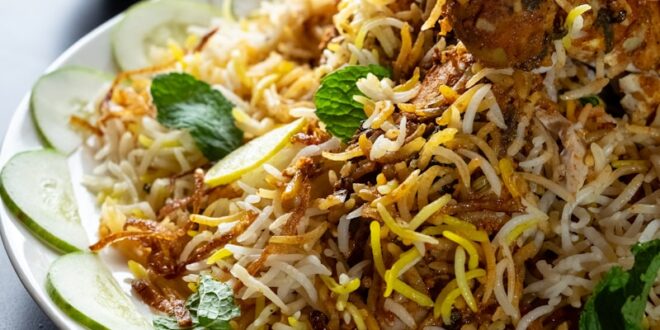
Chalo, mere mitron! What’s better than talking about food? Especially when it’s the kind of food that makes your heart sing and your stomach rumble just thinking about it. You know, the stuff that reminds you of home, of childhood, of long winter nights and happy family gatherings. That’s what Punjabi food is to me. It’s not just sustenance. It’s a story on a plate, a whole feeling. I grew up in a small village near Ludhiana, and honestly, back then, ‘restaurant’ food was a treat we’d get maybe once a year during a big city visit. Our food was what Nani made, what Maa cooked on the chulha, what we ate together, sitting cross-legged on the floor.
Moving to the city for work, for my studies, it was a whole new world. Fancy cafes, different cuisines from all over. But the thing is, nothing, absolutely nothing, ever truly hit the spot quite like a simple dal or a plate of hot parathas. It’s funny how your roots pull at you, isn’t it? That’s why I started this blog. To talk about those roots, about the traditions, and especially about the food that makes us, us. And today, we’re diving headfirst into the delicious, glorious world of the most famous Punjabi food. Get ready, because your taste buds are in for a ride!
What Makes Our Punjabi Food So Special, Yaar?
Look — I’m not just saying this because I’m Punjabi, but our food? It’s something else. It’s bold. It’s flavourful. We don’t do subtle here. We go big on ghee, on spices, on fresh produce, and on heart. It’s food cooked with love, meant to be shared, meant to fuel a farmer working the fields or a family celebrating a harvest. It’s an extension of our hospitality, our warmth, our larger-than-life personalities.
The secret, I think, lies in the simple, fresh ingredients and the cooking techniques. Slow cooking. Grinding our own spices. Using a tandoor for that incredible smoky flavour. And honestly, the generous dollops of butter and cream don’t hurt either! It’s food that feeds your soul as much as your body. You’ll find a beautiful balance of textures and tastes. Sweet, sour, spicy, earthy — it all comes together in a symphony. This isn’t just about eating. It’s an experience. A proper Punjabi experience.
The OG Power Couple: Sarson Da Saag & Makki Di Roti
Alright, let’s get straight to the king and queen of winter comfort food. You cannot talk about authentic Punjabi cuisine without bowing down to Sarson da Saag and Makki di Roti. It’s just not done.
Sarson da Saag
This isn’t just a dish; it’s a winter ritual. Picture this: short, foggy days, the kind where you can see your breath. That’s when my Nani would start making sarson da saag. She’d sit on the floor, back against the wall, painstakingly chopping the mustard greens, along with bathua and palak, with her small, curved knife, humming old folk songs. The entire kitchen would smell of fresh greens and woodsmoke from the chulha where it would simmer for hours. And I mean hours. Until it broke down into a creamy, earthy, green goodness. We add a ‘tadka’ of garlic, ginger, green chillies, and sometimes a bit of onion. But the real magic? The final dollop of homemade white butter. Oh my god. It makes it rich, makes it smooth, makes it utterly unforgettable. Eating it hot, straight from the pot, is peak winter bliss. No fancy restaurant can ever replicate that taste, that aroma, that feeling of sitting by a warm fire while it cooks. It’s pure nostalgia for me. Every single bite.
Makki di Roti
And what do you eat with this emerald glory? Makki di Roti, of course! Cornbread. But not just any cornbread. These are rustic, thick, golden flatbreads, patted out by hand. I remember trying to help Nani make them, and mostly just making a mess. It takes skill to get them round and even. They’re typically cooked on a tawa, sometimes finished on an open flame for a slightly charred taste. Their slightly coarse texture and subtle sweetness are the perfect foil for the pungent, creamy saag. You take a piece of warm makki di roti, tear it, scoop up a generous portion of saag, and maybe add a sliver of jaggery or a piece of radish. It’s simple. It’s wholesome. And it’s probably the most iconic pairing in all of Punjabi food. If you’ve never had this, you haven’t lived the Punjabi winter dream yet. Trust me on this one.
From Dhaba to Dilli: The Iconic Butter Chicken and Dal Makhani
Alright, let’s talk about the two dishes that have truly put Punjabi cuisine on the global map. These are the showstoppers, the crowd-pleasers, the dishes everyone knows, even if they’ve never set foot in Punjab. And for good reason!
Butter Chicken (Murgh Makhani)
Ah, Butter Chicken. The very mention of it makes people swoon. This is it. The dish that everyone expects when they hear ‘Punjabi food.’ And honestly, it deserves all the fame. It’s a culinary hug in a bowl. Tender pieces of chicken, marinated in yogurt and spices, then grilled in a tandoor until smoky and juicy. What follows? A velvety, creamy tomato-based gravy, infused with butter (obviously!), fenugreek leaves (kasoori methi), and a blend of aromatic spices. A touch of cream at the end makes it irresistible. It’s rich, it’s mildly spicy, it’s got a beautiful balance of tang and sweetness. Perfect with a garlic naan or a simple tandoori roti. I remember my first time having proper Butter Chicken in a city restaurant. It was so different from the chicken curries we made at home, which were spicier and less creamy. This was pure indulgence. It’s one of those dishes that just makes you happy. You know it’s good when it stains your clothes a happy orange!
Dal Makhani
And then there’s Dal Makhani. This is another one that has become synonymous with Punjabi cuisine. And for good reason! It’s a slow-cooked masterpiece. Black lentils (urad dal) and kidney beans (rajma) are simmered overnight, sometimes for a full day, until they break down into a smooth, creamy texture. The smokiness from the clay chulha gets into the dal, and that’s something a gas stove can never replicate. Then comes the ‘makhani’ part – a generous amount of butter, cream, and a tempering of ginger, garlic, green chillies, and tomatoes. The slow cooking is the key here. It transforms humble lentils into something luxurious, almost regal. Every dhaba, every restaurant, every Punjabi home has its own version, its own secret touch. But the essence remains the same: a deep, earthy flavour, unbelievably creamy texture, and that comforting warmth. It’s hearty, it’s wholesome, and it’s absolutely delicious. My mother’s dal makhani? Still the best I’ve ever tasted. Simple, slow-cooked perfection. Better than any restaurant version, hands down.
More Than Just Chicken: Punjabi Vegetarian Delights & Street Food Vibes
Most people outside the state have no idea just how incredible our vegetarian food is. We are not just about chicken, folks! We have a whole universe of plant-based deliciousness. And then there’s the street food, which is a religion in itself.
Amritsari Kulcha Chole
If you’re ever in Amritsar, you HAVE to try the Amritsari Kulcha. No excuses. These are not your everyday kulchas. These are crisp, flaky, stuffed flatbreads, usually with a potato and paneer filling, baked in a tandoor until golden brown. Then they’re slathered with butter. A ridiculous amount of butter. And served with a side of spicy, tangy chole (chickpea curry) and a raw onion-chutney combo. It’s breakfast, it’s lunch, it’s a mid-day snack. It’s a phenomenon. The crunch of the kulcha, the softness of the filling, the spicy chole… it’s a burst of flavour and texture in every single bite. Pure genius. I’m telling you, it’s a game changer.
Chole Bhature
Another beloved combination, Chole Bhature is a staple across North India, but Punjabis take it to another level. Fluffy, deep-fried bhature (a type of leavened bread) served with a generous helping of spicy, tangy chole. The chole are usually darker, cooked with tea leaves or amla for colour, and packed with flavour from a blend of spices. This is pure indulgence. It’s a weekend treat, a special occasion meal, something to devour when you’re feeling extra hungry. The lightness of the bhatura perfectly complements the robust chole. You might need a nap after, but it’s totally worth it.
Rajma Chawal
This is comfort food personified for so many of us. Rajma, or kidney beans, slow-cooked in a thick, spicy, tomato-based gravy, served with piping hot steamed rice. It sounds simple, but the depth of flavour achieved by slow cooking the rajma with ginger, garlic, onions, and a mix of whole and ground spices is incredible. It’s hearty, it’s wholesome, and it’s what many Punjabi homes smell like on a regular weekday. My mother’s rajma chawal on a rainy day? Pure bliss. Add some pickled onions on the side, and you’re set. It’s a reminder that sometimes, the simplest things are the best.
Amritsari Fish Fry
Let’s shift gears from vegetarian for a moment. Amritsar isn’t just about kulchas and dal. It’s also famous for its incredible fish fry. Fresh river sole or basa fish, marinated in a zingy mixture of gram flour (besan), ginger-garlic paste, ajwain (carom seeds), and other spices, then deep-fried until golden and crispy. It’s light, it’s flaky, and it has a beautiful, subtle flavour with a kick from the spices. Served with a sprinkle of chaat masala and a squeeze of lemon, it’s a perfect snack or appetizer. If you think Punjabi food is all heavy, this dish will change your mind.
Shahi Paneer
For the vegetarians who want something as rich and indulgent as butter chicken, there’s Shahi Paneer. ‘Shahi’ means royal, and this dish certainly lives up to its name. Cubes of soft, fresh paneer (Indian cheese) swim in a creamy, mildly spiced gravy made from tomatoes, onions, cashews, cream, and sometimes even a touch of saffron. It’s sweet, it’s savoury, it’s incredibly smooth, and it melts in your mouth. Often enjoyed during celebrations or special family dinners, it pairs beautifully with naan, roti, or even jeera rice. It’s a testament to how creative and luxurious Punjabi cuisine can be, even without meat.
Sweet Endings & Cool Sips: The Punjabi Way
No meal is complete without something sweet or refreshing, especially in Punjab. We know how to end things right!
Gajar ka Halwa
Oh, Gajar ka Halwa! This is another winter special that sends me right back to my childhood. Grated red carrots, slow-cooked in ghee, milk, and sugar until all the moisture evaporates and the carrots become soft and caramelised. Then, khoya (reduced milk solids), cardamom, and a scattering of nuts are added. It’s warm, it’s sweet, it’s comforting, and it smells like pure joy. The deep red colour of the winter carrots gives it a vibrant hue. My mother would spend hours stirring this. And when it was done, the entire village would know because of the aroma. Served warm, perhaps with a scoop of vanilla ice cream if you’re feeling fancy, it’s the ultimate dessert for those chilly Punjabi evenings.
Lassi
And finally, to wash it all down, or just to enjoy on a hot summer’s day, there’s Lassi. The quintessential Punjabi drink. This isn’t just yogurt blended with water, mind you. This is thick, creamy, wholesome yogurt, blended to perfection. You can have it sweet, with sugar, a dash of cardamom, sometimes even a dollop of malai (cream) on top. Or you can have it salty, with cumin powder and a pinch of black salt. Both are incredibly refreshing, cooling, and surprisingly filling. A big glass of lassi after a heavy meal is basically a tradition. There’s nothing quite like it to soothe your stomach and your soul. My favorite? A tall glass of sweet lassi, thick enough to eat with a spoon, especially when the summer sun beats down on the fields.
So, there you have it. Ten dishes that just scratch the surface of our incredible Punjabi food scene. From the earthy goodness of sarson da saag and makki di roti to the creamy indulgence of butter chicken and dal makhani, and everything in between. This is the food I grew up with, the food I left behind in the village but found again in the city, in different forms. It’s the food that always feels like coming home. Have you tried any of these? Which one calls out to your stomach the most?


