Quick answer: No kitchen remedy can filter smog out of your lungs. What actually helps during the Haryana and Punjab smog season is reducing how much polluted air you breathe: check the AQI daily, keep windows shut during the worst hours, wear a well-fitted N95 outdoors, skip outdoor exercise on bad days and avoid smoke inside the home. Warm drinks, steam and good food can make you feel more comfortable, and anyone with breathlessness, wheezing or chest pain should see a doctor.
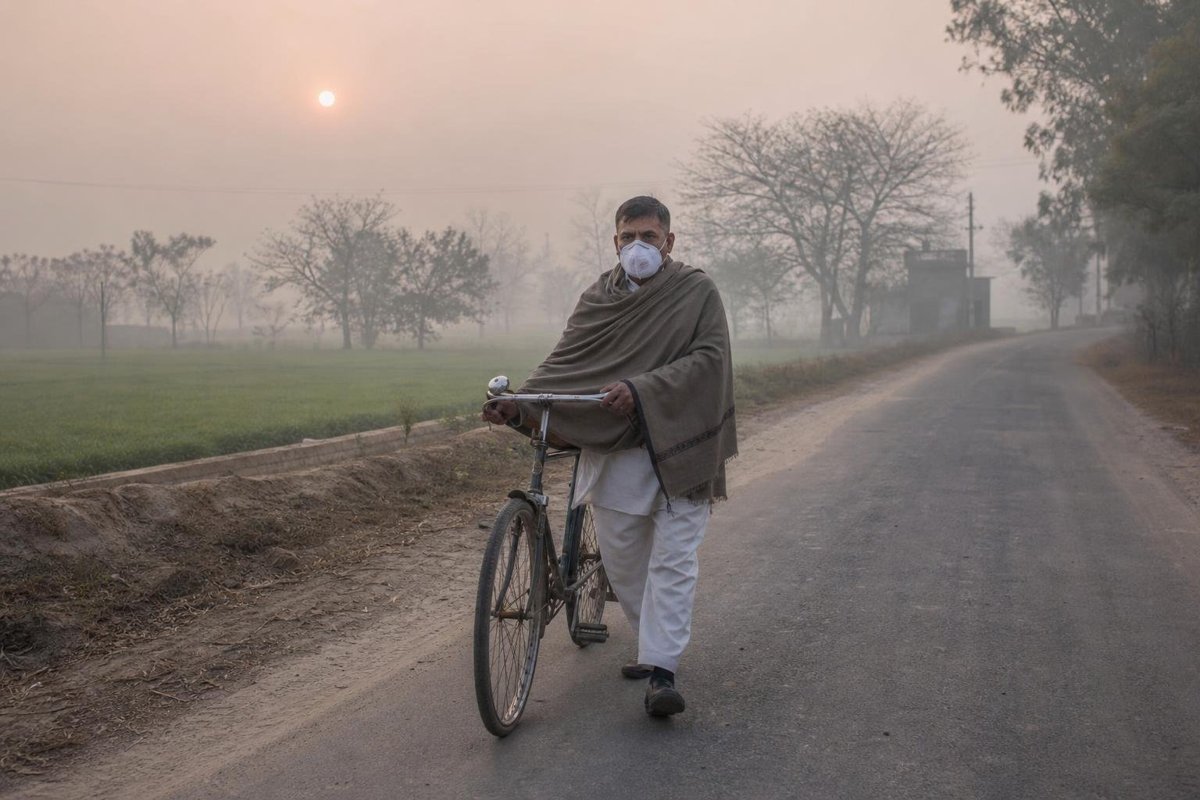
Last November I drove from Gurugram to my nanke near Kaithal and could not see the sarson fields from the highway. They were right there. The sky had simply swallowed them.
When I reached, my nani was sitting in the angan with a muffler around her face, coughing a little. “Pehle aisi dhund nahi hoti thi,” she said. Fog we always had. This grey, bitter, eye-stinging haze is something newer.
Every year, as the paddy harvest ends and the weather turns cold and still, smoke from stubble burning, vehicles, construction dust, firecrackers and our own city chimneys hangs over the plains. The air sits like a lid. And every year our family groups fill up with “desi nuskhe for lungs.”
So let me be honest about what our desi habits can and cannot do.
Can home remedies really protect your lungs from smog?
Not on their own. Once fine particles are in the air, the only real protection is breathing less of them.
Gur, tulsi, haldi and steam are lovely, and some may soothe an irritated throat, but no food has been shown to clean out particles you have already inhaled. Anyone selling you a “lung detox” kadha is selling hope, not science. I say this with love for our kitchens, because I grew up on those kadhas.
The good news is that a lot of what actually works is also simple, cheap and very desi in spirit. Common sense, mostly.
What desi habits actually help on smoggy days?
Watch the AQI like nani watched the sky. She would look up in the morning and decide whether the clothes went on the chhat. Do the same with an air quality app. On “very poor” or “severe” days, plan indoor routines.
Shift the morning walk. Our elders loved the early morning sair, but in smog season the early hours are often the worst, because the cold air traps pollution low. On bad days, walk indoors, do yoga on the floor, or try dand baithak at home instead.
Keep doors and windows closed during peak haze. Open them briefly when the AQI improves, usually in the afternoon sun.
Wear a proper mask outside. A cotton dupatta over the face feels protective but does little against fine particles. A well-fitted N95 or similar mask does much better. Pinch the nose wire so air does not leak around the sides.
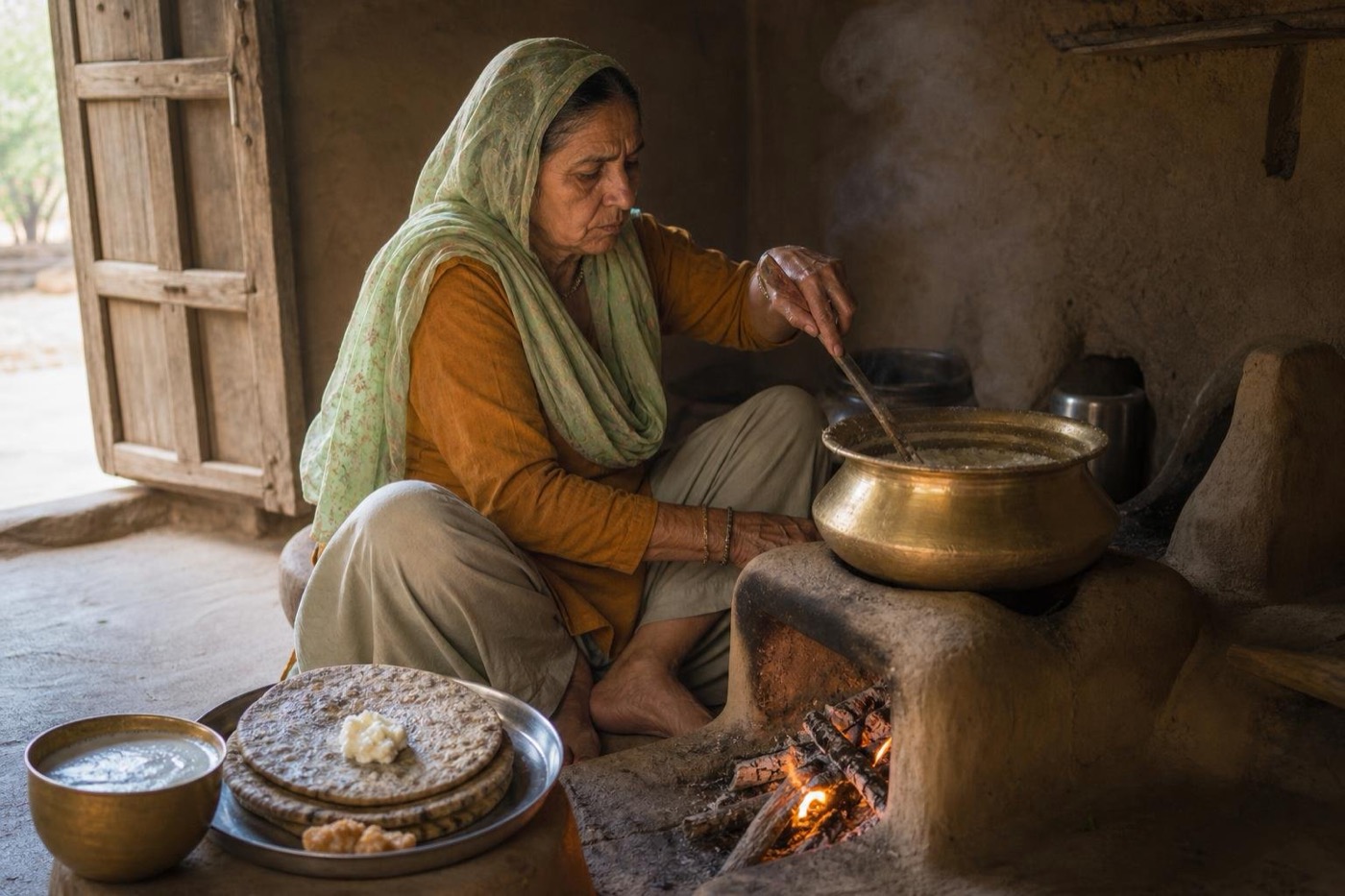
Stop making your own smoke. This one hurts, I know. Agarbatti, dhoop, mosquito coils, kerosene, wood or upla fires in a closed room all add to indoor pollution. In the village, the chulha was outside or in a well-ventilated corner for a reason. If you must light a diya or dhoop, keep it brief and air the room afterwards.
Wet-mop instead of sweeping. Our mothers did pocha every day. Damp cloth traps dust instead of throwing it back into the air, which is better than dry jhadu on smoggy days.
What about kadha, haldi and steam?
Here is what tradition says and what is known.
Tradition says a warm kadha of tulsi, adrak, kali mirch and a little gur keeps the chest clear in winter. What is known: warm fluids do soothe a dry throat and keep you hydrated, which helps your airways feel less scratchy. That is a real comfort. It is not protection.
Steam inhalation, the old towel-over-the-head-and-a-patila routine, can loosen a blocked nose for a while. Be careful with boiling water around children and elders, as burns happen easily.
Eating well matters too. A plate full of seasonal greens, amla, citrus, carrots and dal supports your general health through winter. The Haryanvi winter food our grandmothers cooked, which we wrote about in the Haryanvi winter kitchen, is a good model for a season like this. Just do not expect any one food to undo the air outside.
Who needs extra care in smog season?
Small children, elders, pregnant women, and anyone with asthma, COPD, heart disease or diabetes. If someone in your home uses an inhaler, make sure they have it, know how to use it, and follow their doctor’s plan. Do not swap a prescribed inhaler for a kadha.
Please see a doctor if you or a family member has breathlessness, wheezing, chest tightness, a cough that does not settle, or lips turning bluish. Do not wait it out.
Why does the smog hit Haryana and Punjab so hard?
Partly geography, partly timing. The plains are flat and enclosed, the winter air is cold and still, and November is right after the paddy harvest, when crop residue is often burned before sowing wheat. City traffic and industry add to it.
I have farmer uncles on both sides of the family, and the problem is not that farmers do not care. Time between crops is short and options cost money. Our pieces on agriculture in Punjab from the Green Revolution to modern farming and traditional and modern agriculture in Haryana explain how farming in this belt changed over a few generations.
Frequently Asked Questions
Do home remedies clean the lungs after smog exposure?
No food or drink has been shown to clean pollution particles out of the lungs. Warm drinks and steam may ease throat irritation. The best step is cutting your exposure.
Is a cloth mask enough during smog?
Cloth masks and dupattas offer little protection against fine particles. A well-fitted N95 or equivalent mask is much more effective outdoors.
Should I stop my morning walk in November?
On days when AQI is very poor or severe, it is wiser to exercise indoors. Early mornings in winter are often the most polluted hours.
Do indoor plants clean the air?
Plants make a home feel fresher, but they are not a substitute for closing windows, avoiding indoor smoke or using an air purifier on bad days.
When should I see a doctor for smog-related symptoms?
If you have breathlessness, wheezing, chest pain or tightness, or a cough that lasts more than a week, see a doctor promptly, especially for children, elders and people with asthma.
The haze will lift eventually, usually with the first good winter rain. Until then, keep the windows shut and the chai warm, and spend an evening with our story on Gurpurab in Punjab, prabhat pheris and the night of a thousand lamps.